Most parents approach flying with babies and toddlers as something to endure rather than strategize. The real preparation begins weeks before you arrive at the airport, and the decisions you make during this window determine whether your flight becomes a manageable experience or descends into chaos. Many families fail to recognize that pre-flight planning is less about packing everything imaginable and more about understanding which preparation decisions actually matter.
The foundational mistake is reactive packing. Parents wait until days before departure to think through what they’ll need, leading to either overpacking essentials or forgetting critical items. Thoughtful advance planning—from booking the right flight times to understanding your child’s specific needs—creates a ripple effect of calm throughout your entire journey.
Airport anxiety often stems from uncertainty. When you understand how babies respond to cabin pressure, noise, and confinement, you can prepare specifically for those challenges rather than worrying vaguely about everything. The parents who fly most successfully aren’t necessarily the ones with the biggest bags; they’re the ones who identified their actual problems and addressed them systematically before stepping foot in the terminal.
It’s also worth noting that modern aviation carries reassuring safety statistics. Aviation is significantly safer than road travel—in 2008, there were 1.27 fatalities per 100 million road vehicle miles compared to virtually no fatalities per million flying miles. Understanding these facts can ease the underlying anxiety many parents carry about flying with young children, allowing you to focus your mental energy on practical preparation rather than statistically unlikely catastrophes.
Why Short Flights During Naptime Are Your Secret Weapon
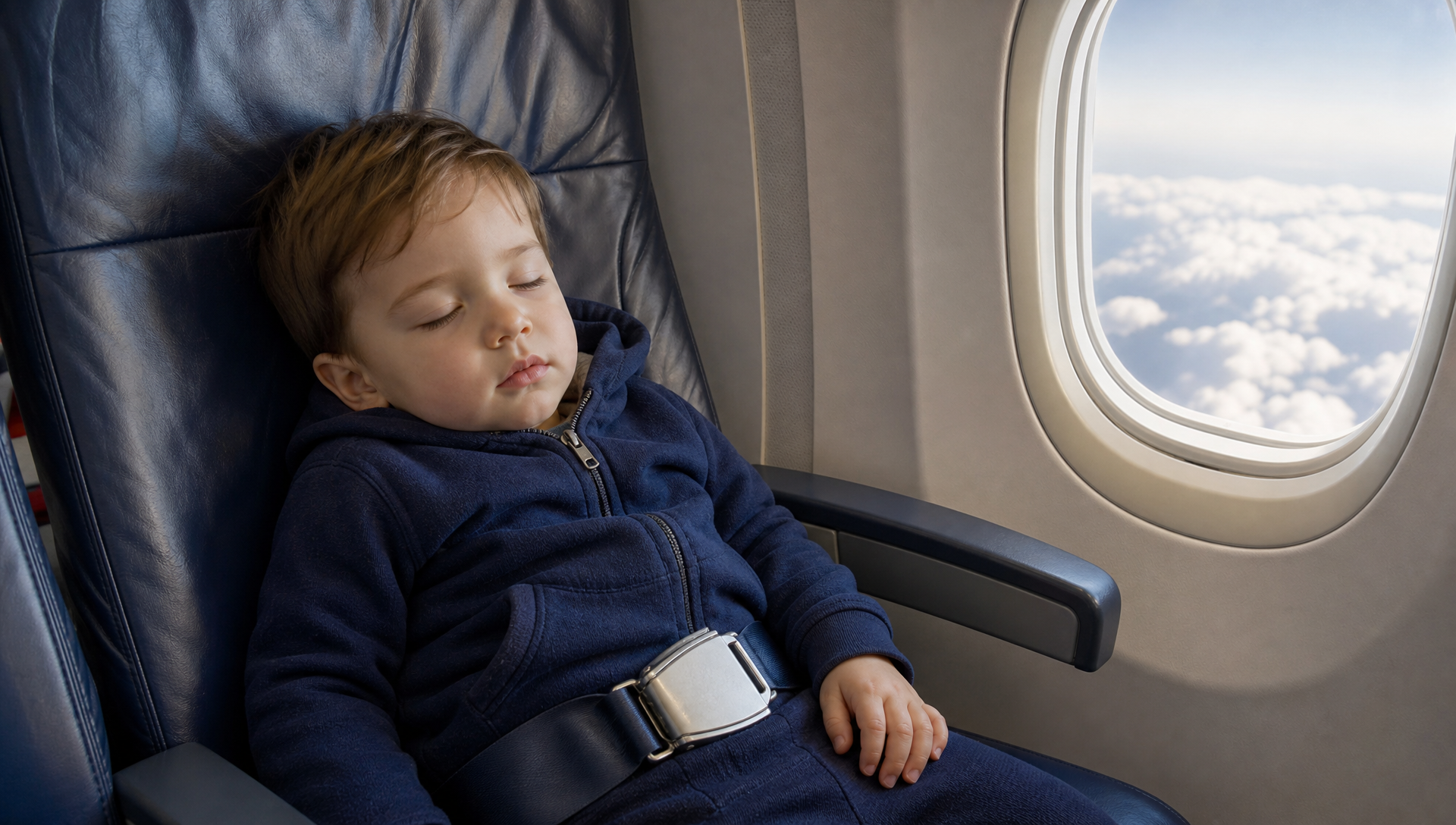
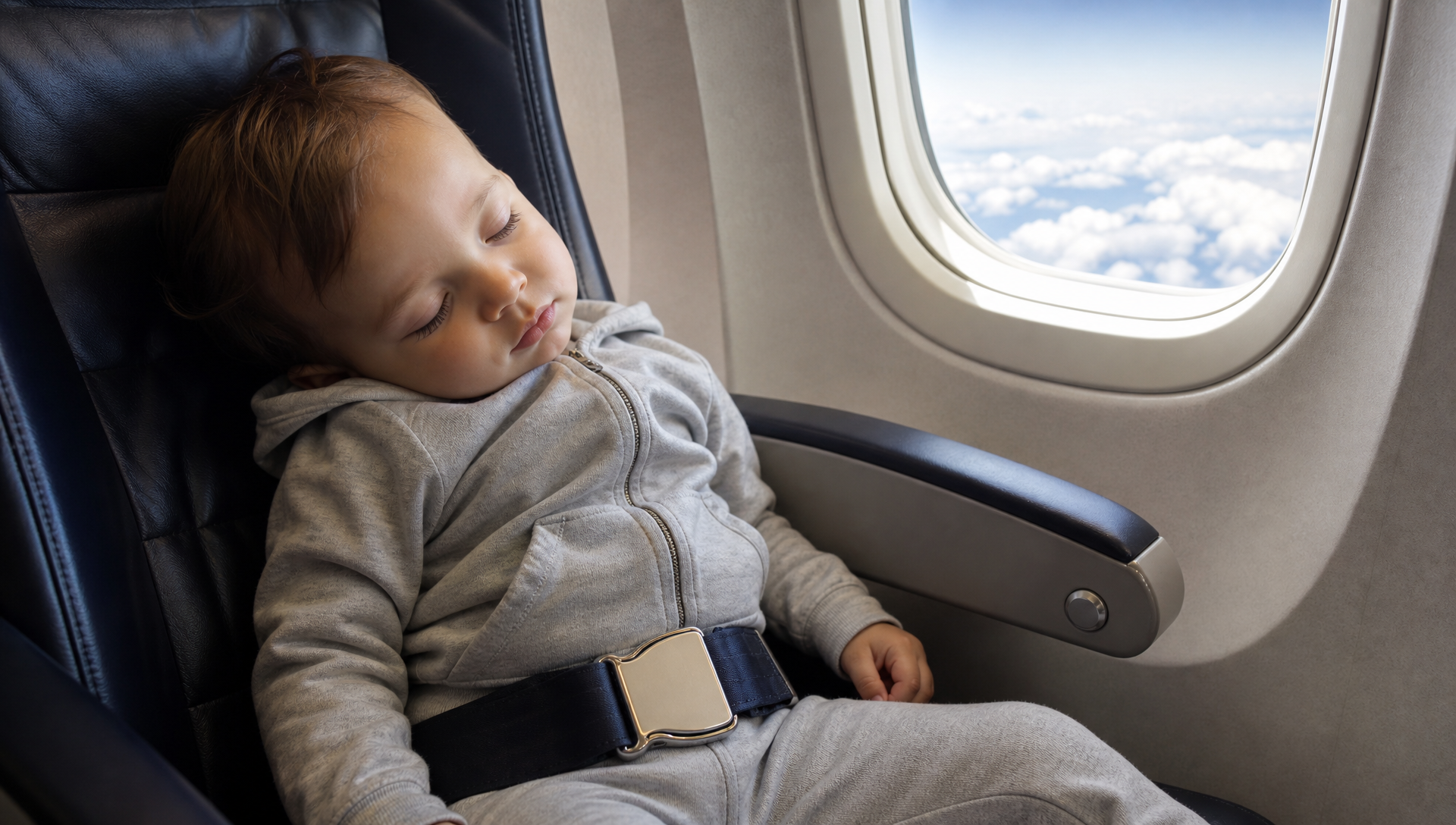
Timing your flight to coincide with your child’s natural sleep schedule is perhaps the single most powerful lever you can pull. When you book a flight that aligns with your toddler’s regular naptime, you’re essentially gifting yourself hours of peace while everyone’s expectations are already aligned with resting. This isn’t about luck; it’s about understanding your child’s rhythms and working with them rather than against them.
The advantage extends beyond the flight itself. When your child sleeps during takeoff, they naturally manage the pressure changes that often trigger ear pain and discomfort. Their body handles the physical stressors of flight passively, without the added complication of fatigue-induced crankiness. Strategic layovers matter too—building in comfortable breaks prevents the pressure cooker effect of back-to-back legs that would overwhelm any young traveler.
Short flights serve another critical function. They keep your child’s window of discomfort relatively contained. Even if your timing isn’t perfect, a two-hour flight is fundamentally different from a five-hour ordeal. The duration itself shapes how much preparation you actually need and what level of stress is realistic. This is why the shortest possible routing often matters more than the fastest connection—every hour saved is an hour your child isn’t confined and your stress isn’t mounting.
The Controversial Benadryl Question Every Parent Asks
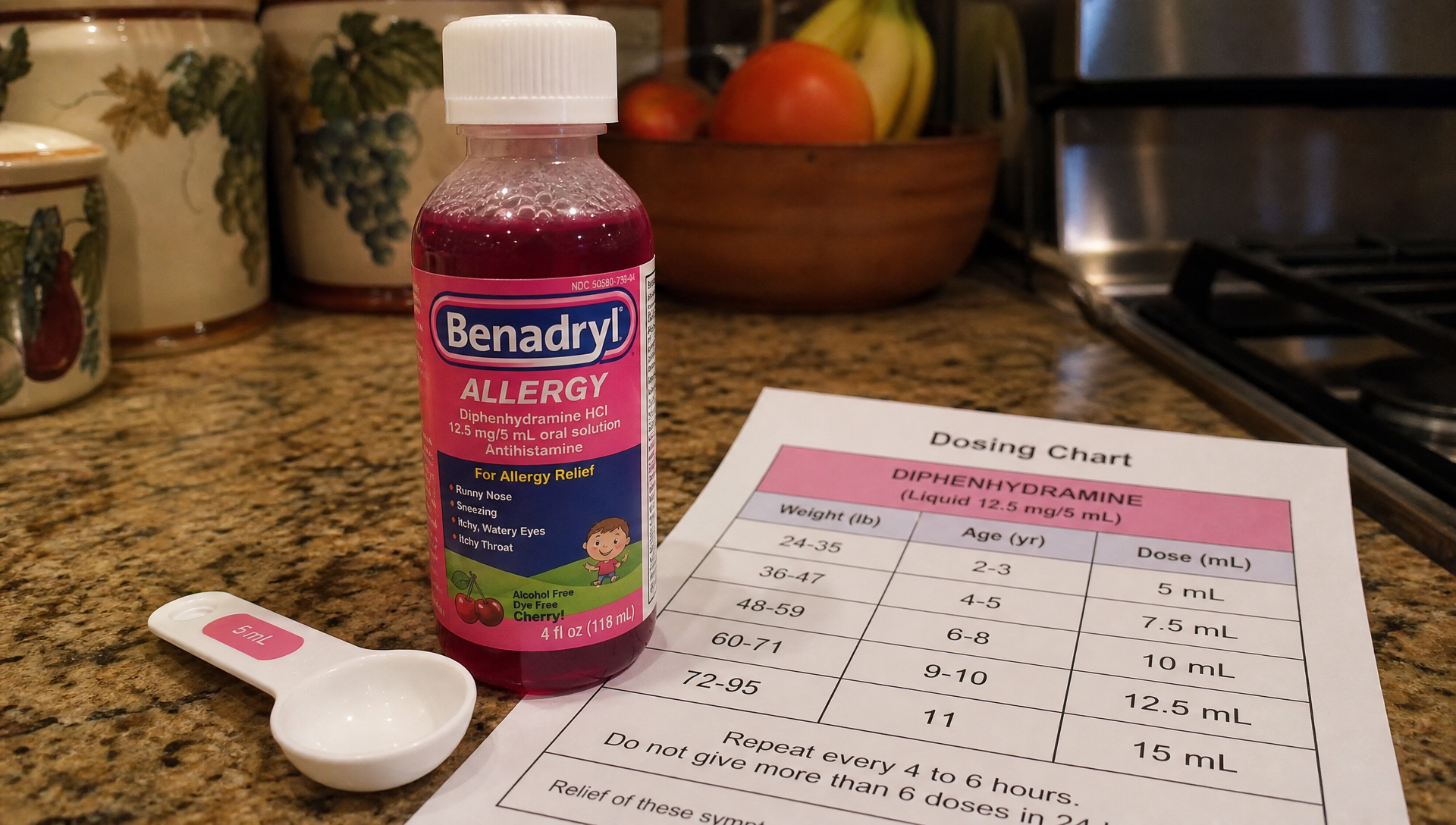
The topic of medicating children for flights sits in a murky space where desperate parents, cautious pediatricians, and conflicting advice collide. Parents whisper about it in airport lounges, and online parenting groups debate it endlessly. The truth is far more nuanced than either “absolutely do it” or “never consider it.” For children over 12 months old, Benadryl (diphenhydramine) can be considered a tool—but only with proper medical guidance and crucial preparation.
Proper dosing matters enormously. The general guideline is approximately 1 milligram per kilogram of body weight, but this must be discussed with your pediatrician who understands your specific child’s health history. What’s critical is the testing component that virtually every expert emphasizes: about 5% of children experience paradoxical hyperactivity instead of drowsiness. Giving your child an unfamiliar medication for the first time at 30,000 feet is genuinely risky.
The responsible approach involves testing any medication at home weeks before your trip. Observe how your child responds to the dose in a safe environment where you can manage any unexpected reactions. This single step separates reckless medication use from informed preparation. Even then, many pediatricians recommend considering medication only as a last resort after optimizing flight timing, seat location, and distraction strategies. It’s a potential tool in your toolkit, not a replacement for fundamental planning.
Seat Selection Secrets Airlines Don’t Want You to Know
Where you sit on the plane determines far more than you realize. Most parents focus on aisle seats for bathroom access, which has merit, but they often overlook a counterintuitive advantage: seats near the plane’s engines provide natural white noise that actually soothes babies. The constant rumble creates a rhythmic, ambient sound environment that many children find calming rather than disruptive. This acoustic coincidence can be worth its weight in gold during a long flight.
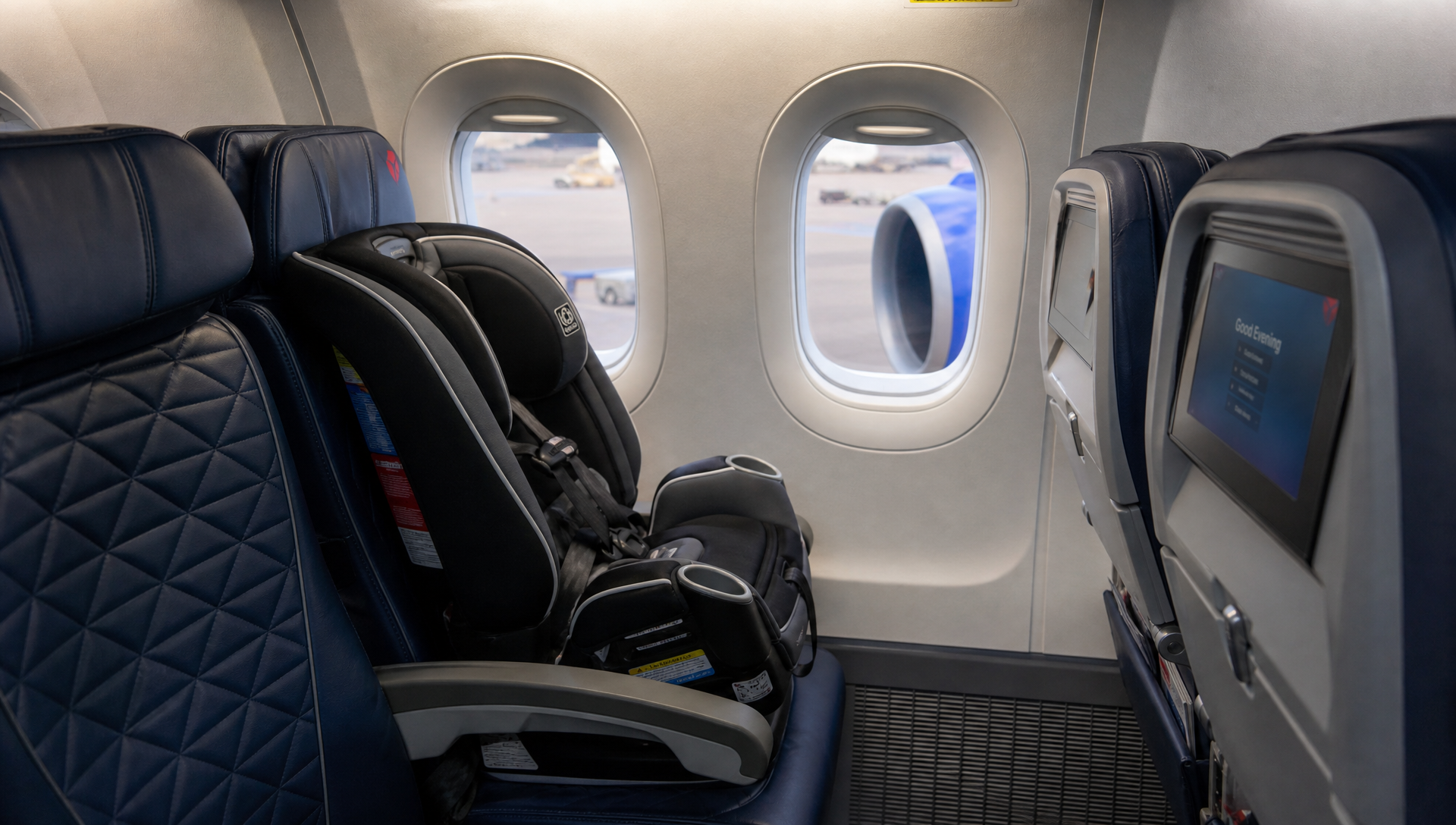
The separate seat question demands careful consideration. Booking an additional seat and securing a car seat provides multiple benefits beyond comfort. You’re giving your child a familiar, safe space rather than forcing them into your lap or an unfamiliar seat. The investment—typically the cost of a second ticket—might seem expensive until you consider that it removes a variable source of discomfort for hours. Your child isn’t fighting unfamiliar positions, and you’re not managing an unhappy infant while managing yourself.
Boarding timing offers another strategic advantage that many miss. Boarding last means your child spends the minimum possible time confined to their seat before departure. While other passengers settle in during the long pre-flight window, your family enters an already-in-motion cabin. This dramatically reduces the period when your child must sit still while nothing is happening—often the most restless, uncomfortable time. It’s a small adjustment with outsized benefits.
The 21 Essential Items You’ll Desperately Miss Without
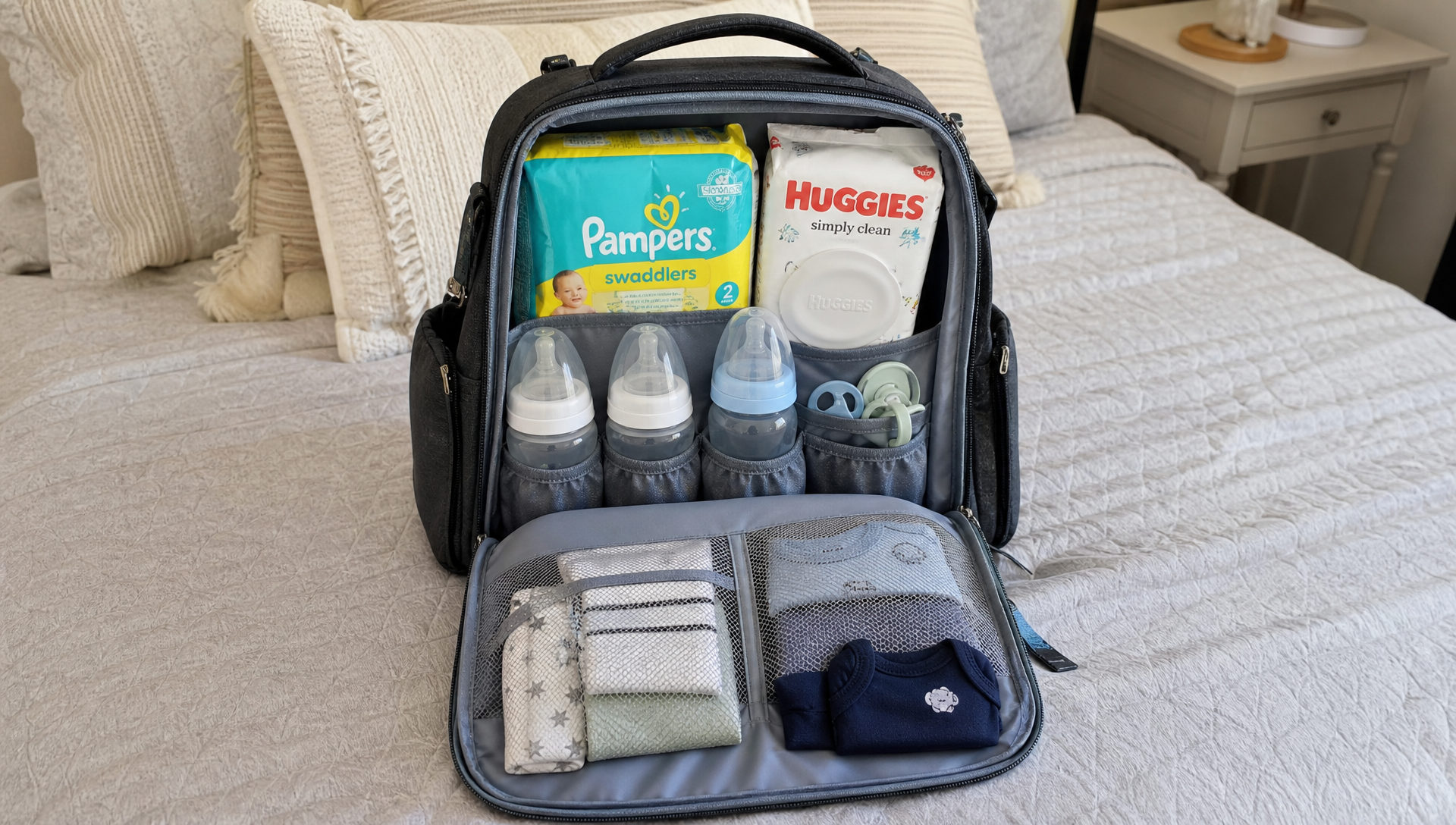
The difference between a smooth flight and a stressful one often comes down to granular preparation of your diaper bag. Parents frequently underestimate quantity, packing as if for normal outings rather than extended confinement. The math is straightforward: plan for 1-2 diapers per hour of travel, then add extras for unexpected delays. This might seem like overkill until you’re cruising at altitude with a blowout and realize you’re out of supplies.
When selecting diapers for travel, opt for highly absorbent options designed to handle extended wear periods. Premium brands like Pampers Swaddlers and Huggies Overnites offer superior moisture absorption, reducing the frequency of changes needed during flight and providing extra protection during longer segments. Pair these with fragrance-free wipes like Huggies Simply Clean to minimize the risk of irritation during extended diaper changes in airplane lavatories.
The fundamental packing list spans essentials: changing pads (compact and portable), wipes (stored in Ziploc bags rather than expensive containers), diaper cream, disposable diaper bags, burp cloths, extra outfits (sized up for growth and spills), socks, pacifiers, pre-filled formula bottles, and muslin cloths. This foundation covers the practical logistics of baby management. The secondary layer—what separates chaos from control—includes portable sound machines, extra pacifiers, teethers, and backup clothes for yourself.
The bag itself matters more than you’d expect. A functional backpack outperforms traditional shoulder diaper bags because you maintain both hands free when navigating airports and aisles. Affordable alternatives like regular backpacks work perfectly fine; expensive branded diaper bags offer style without meaningful functional advantage. The key is accessibility—items you need frequently during flight should be immediately reachable, while backup supplies can be tucked into overhead storage. Strategic organization beats expensive specialization.
Before Booking: Airline Age Restrictions and Requirements You Must Know
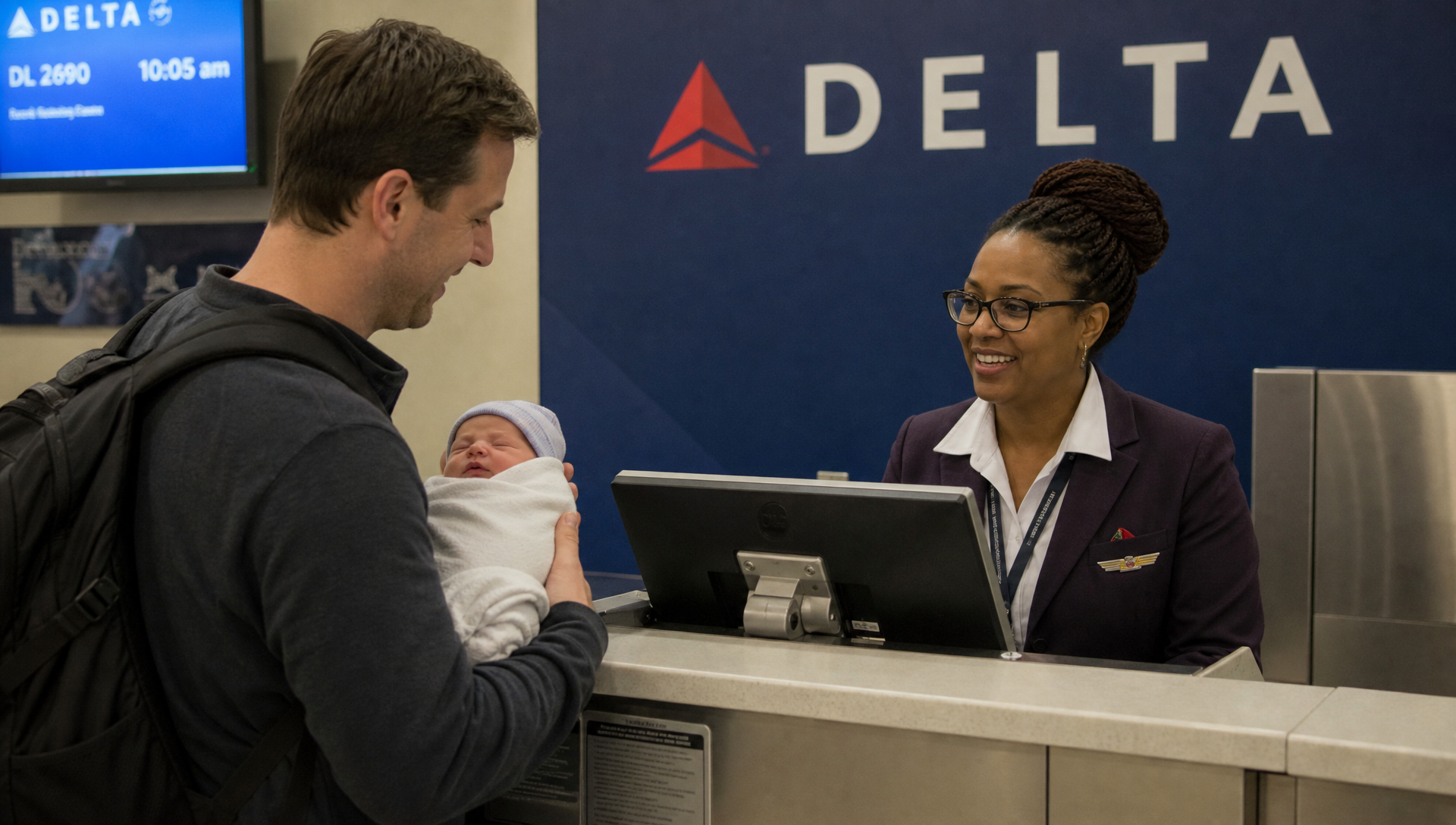
Before you select your flight, understanding airline policies around infant age restrictions is essential to your planning process. Most airlines refuse boarding for babies under 7 days on domestic flights or 14 days on international flights, though some carriers have different requirements. Delta Air Lines allows infants less than 7 days old to board if parents present a physician travel approval letter, while Asiana Airlines permits international travel at just 7 days of age, and Skywest requires infants to be at least 8 days old. Garuda Indonesia maintains one of the strictest policies, disallowing all babies under 14 days from boarding any flights.
These restrictions exist for both regulatory and practical reasons. Checking your specific airline’s policy weeks before booking is a critical first step in your planning process. Some families discover these restrictions too late, forcing them to reschedule expensive trips or select different carriers. Building this knowledge into your initial booking phase means you can choose flights with carriers that align with your infant’s age, rather than discovering conflicts after committing to specific dates.
The Unexpected Reasons Takeoff and Landing Are Your Real Challenge
While parents often worry about general fussiness throughout the flight, the real test comes during the pressure changes of takeoff and landing. This is where your most careful preparation becomes essential. The ear pain caused by pressure changes is a genuine, physical source of discomfort that no amount of soothing can fully address—but it can be managed through proactive strategies that most casual travelers overlook.
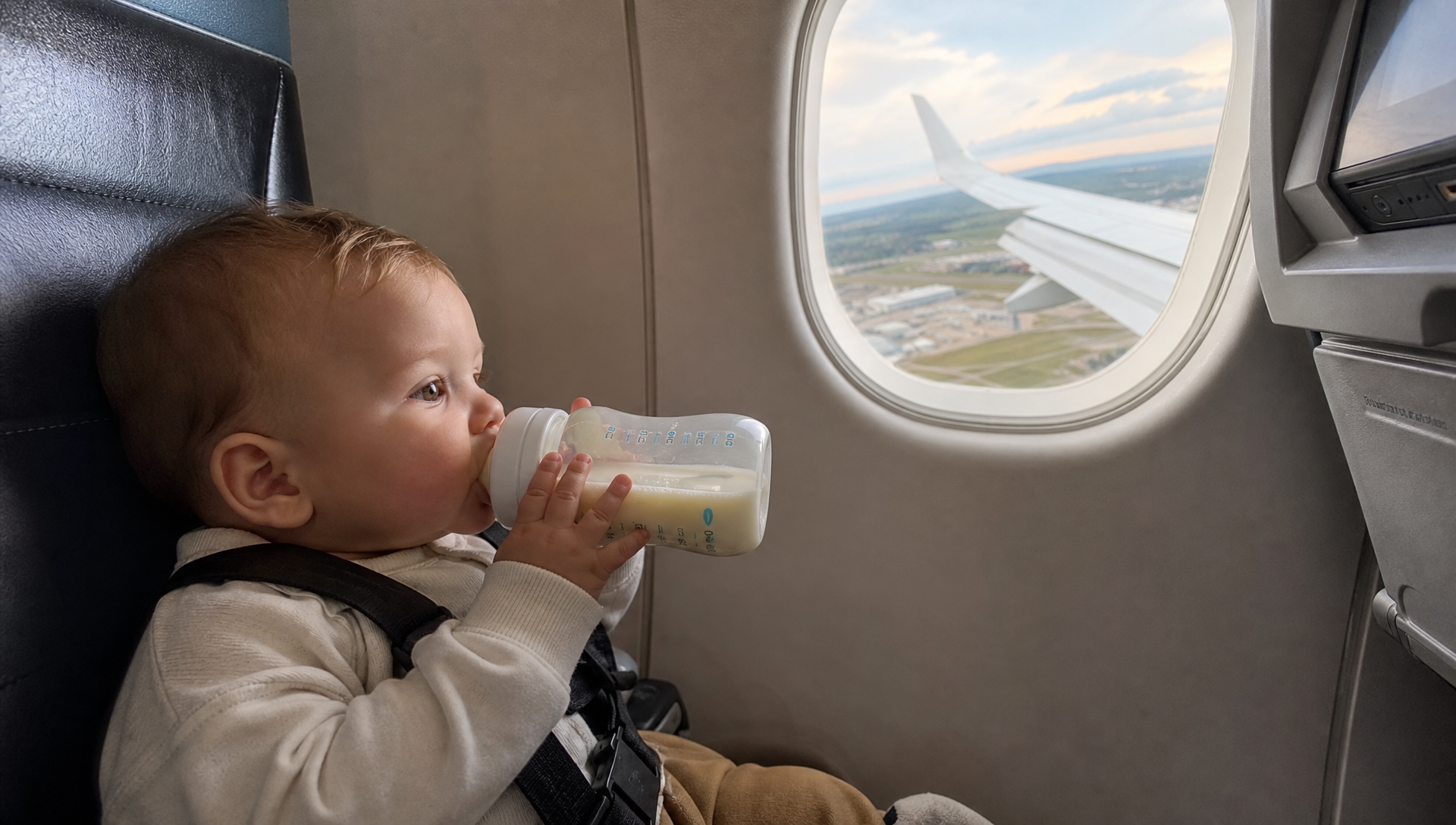
Bottles, pacifiers, and snacks serve a critical function beyond mere comfort or distraction. The act of swallowing and jaw movement helps regulate ear pressure and equalizes the pressure differential that causes pain. This is why every expert guide emphasizes having these tools specifically available during ascent and descent. A baby who’s sucking on a bottle or pacifier during these moments is actively managing their own physical discomfort at a physiological level.
Timing your provision of these tools matters. You want your child actively engaged in sucking or eating during the moments when pressure changes are most acute. This requires planning: having bottles ready to go, pacifiers easily accessible, and snacks age-appropriate and immediately available. The preparation pays off in real time as what could be a painful, meltdown-inducing experience becomes manageable because your child’s instinctive responses are working in your favor rather than against you.
Why Kids Are Tougher Travelers Than You Think—And What That Means
Parents often underestimate their children’s fundamental resilience and adaptability. Babies and toddlers are more capable travelers than most assume, able to handle disruptions, schedule changes, and unfamiliar environments better than the anxiety surrounding family air travel would suggest. Understanding this truth doesn’t just ease your own anxiety—it fundamentally reshapes how you approach preparation and what you actually prioritize.
Young children are remarkably adaptable to new situations. They lack the adult anxiety about “what could go wrong” and instead live in the immediate present. When they’re tired, they sleep in strange places. When they’re hungry, they eat unfamiliar food. When they’re overstimulated, they eventually shut down. These aren’t weaknesses; they’re features that actually work in the traveling parent’s favor. Your child isn’t analyzing the flight experience or dwelling on what they’re missing—they’re simply experiencing the moment.
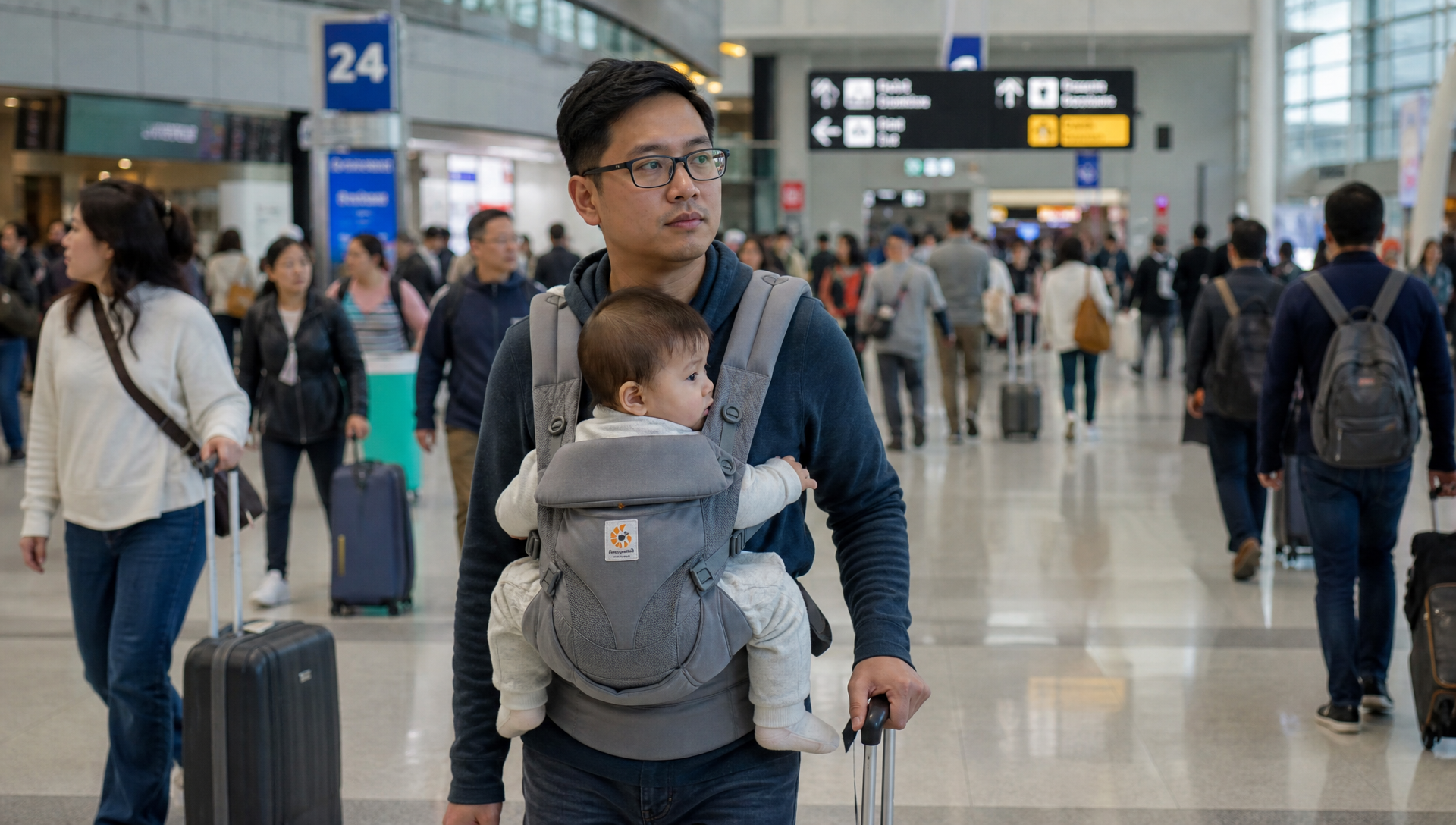
Research on infant behavior supports this intuition. Studies show that carrying an infant—whether in a sling, baby carrier, or being held while walking—has a profound calming effect, making infants more content and reducing crying significantly. During travel through airports and transitions, utilizing carriers and keeping physical contact creates security that helps your child maintain composure through unfamiliar environments.
This resilience means you can stop catastrophizing and start focusing on what actually matters: managing the predictable discomforts of flight, maintaining reasonable routines where possible, and accepting that some aspects will be imperfect. Your toddler doesn’t need a perfect flight; they need their basic needs met and a relatively calm parent. When you recognize that your child is tougher than you’ve been assuming, you can pack smarter, plan more strategically, and approach the experience with confidence rather than dread. The journey becomes less about preventing disaster and more about managing a normal, sometimes challenging experience with practical tools and realistic expectations.
Beyond the Flight: Preparing for Hotel Hygiene and Accommodation Comfort
Once your flight lands, the travel experience extends well beyond the runway. Hotel bathrooms present unexpected challenges when traveling with infants and toddlers, particularly when you’re accustomed to your home’s familiar setup. Standard hotel tubs can feel oversized and unstable for young children learning to sit independently, creating anxiety for both child and parent during what should be a routine activity.
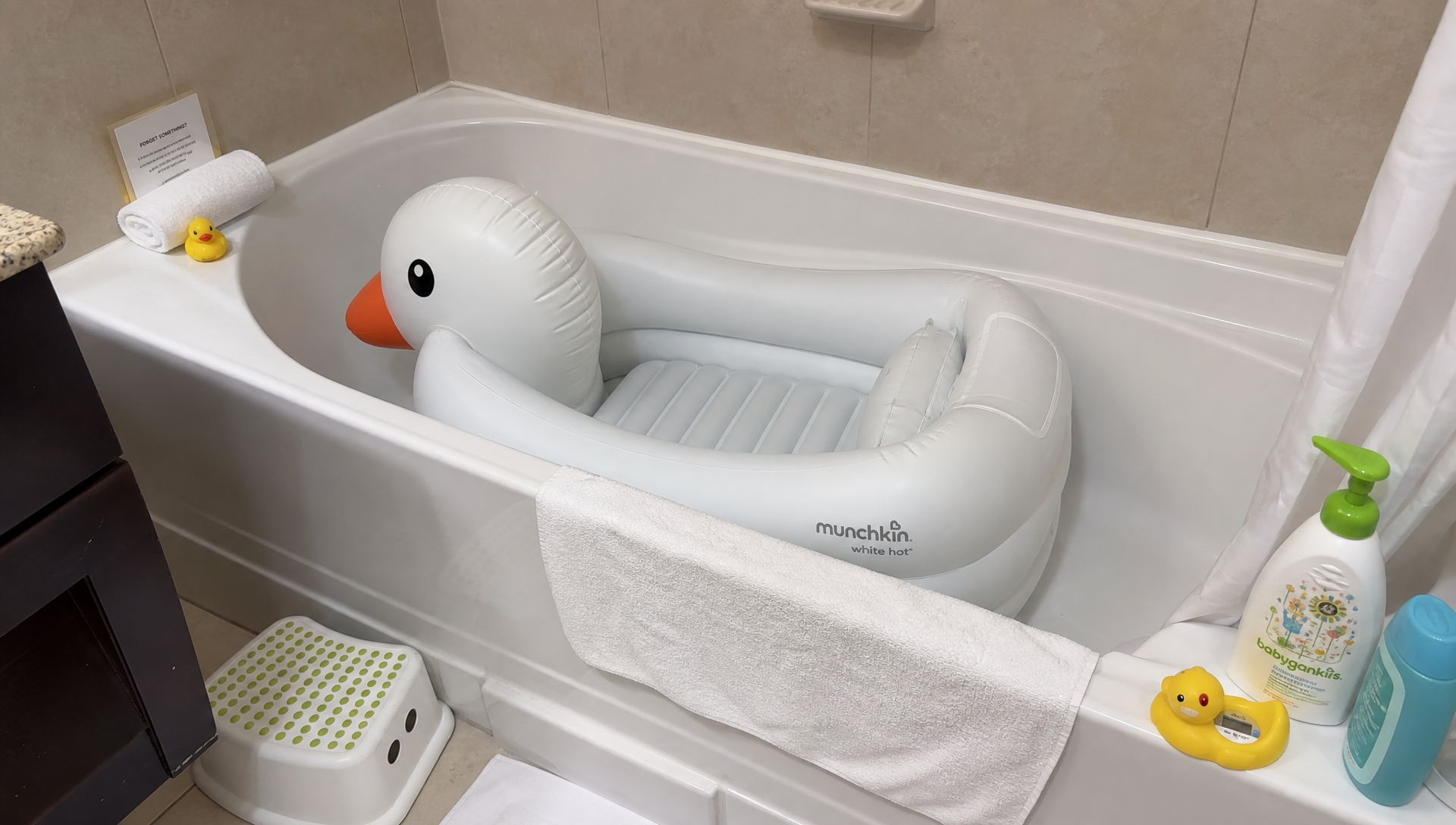
A portable, inflatable infant tub like the Munchkin White Hot Inflatable Duck Tub transforms hotel bathing from a hassle into a manageable routine. These tubs provide a soft, appropriately-sized space that allows your child to sit upright in comfort while occupying minimal luggage space. Features like heart-shaped temperature indicators warn when water is too hot, offering crucial safety assurance in unfamiliar environments. The suction cup design allows for convenient hanging to dry after each use, maintaining hygiene without requiring storage space.
Extend this preparation mindset to grooming essentials that travel well. Specialized tools like portable electric nasal aspirators help manage congestion common during travel, while compact baby toothbrushes support dental care routines even when access to familiar fixtures is limited. By maintaining core hygiene practices in your accommodation, you prevent small discomforts from escalating into larger issues that could complicate the rest of your trip. Travel-ready grooming tools aren’t luxuries—they’re practical investments in your child’s comfort and your peace of mind during hotel stays.